Press
The Invisible Wars We Fight Within Ourselves
A group exhibition curated by Kira Hikaru Hill
The Invisible Wars We Fight Within Ourselves is a contemporary group exhibition that explores the internal struggles shaping human experience, from isolation, grief, and anxiety to questions of identity, vulnerability, and connection. Bringing together works by Edvard Munch, Mark Rothko, Frida Kahlo, Pablo Picasso, Yayoi Kusama, Paul Villinski, and Reverend Joyce McDonald, the exhibition considers how art can give form to emotions that often remain unseen or difficult to express.
The exhibition begins with the idea that some of the most significant battles people experience are fought internally. Emotional distress can exist beneath the surface, leaving individuals to navigate experiences that may not be recognized by those around them. Through a range of artistic approaches, the exhibition examines how fear, loneliness, grief, and uncertainty can influence a person's relationship with themselves and the world. Rather than presenting suffering as a singular or universal experience, the works invite viewers to consider the different ways individuals process, express, and live alongside personal struggles.
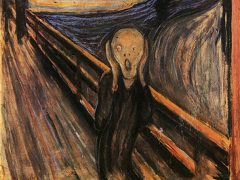
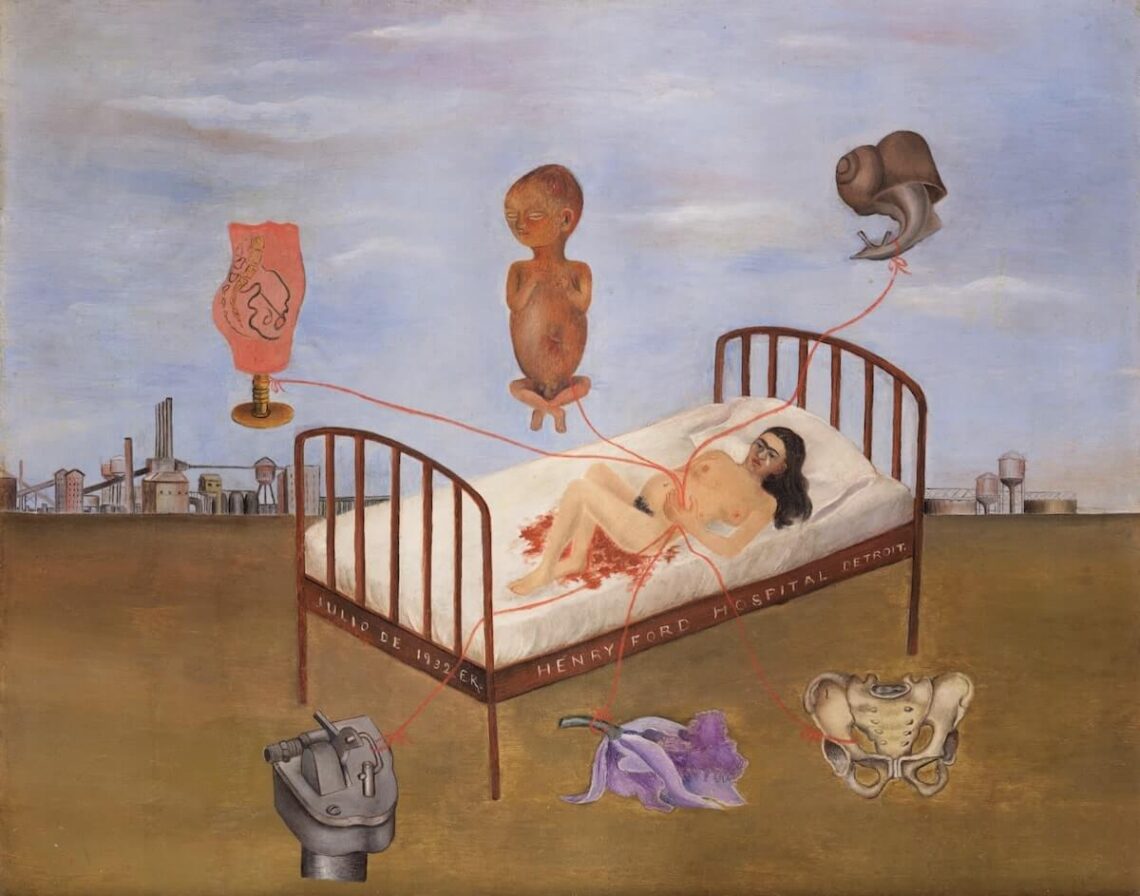
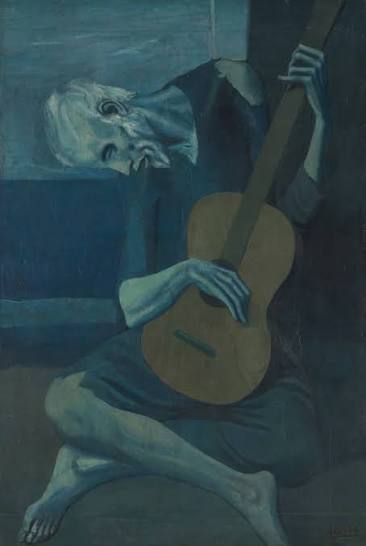
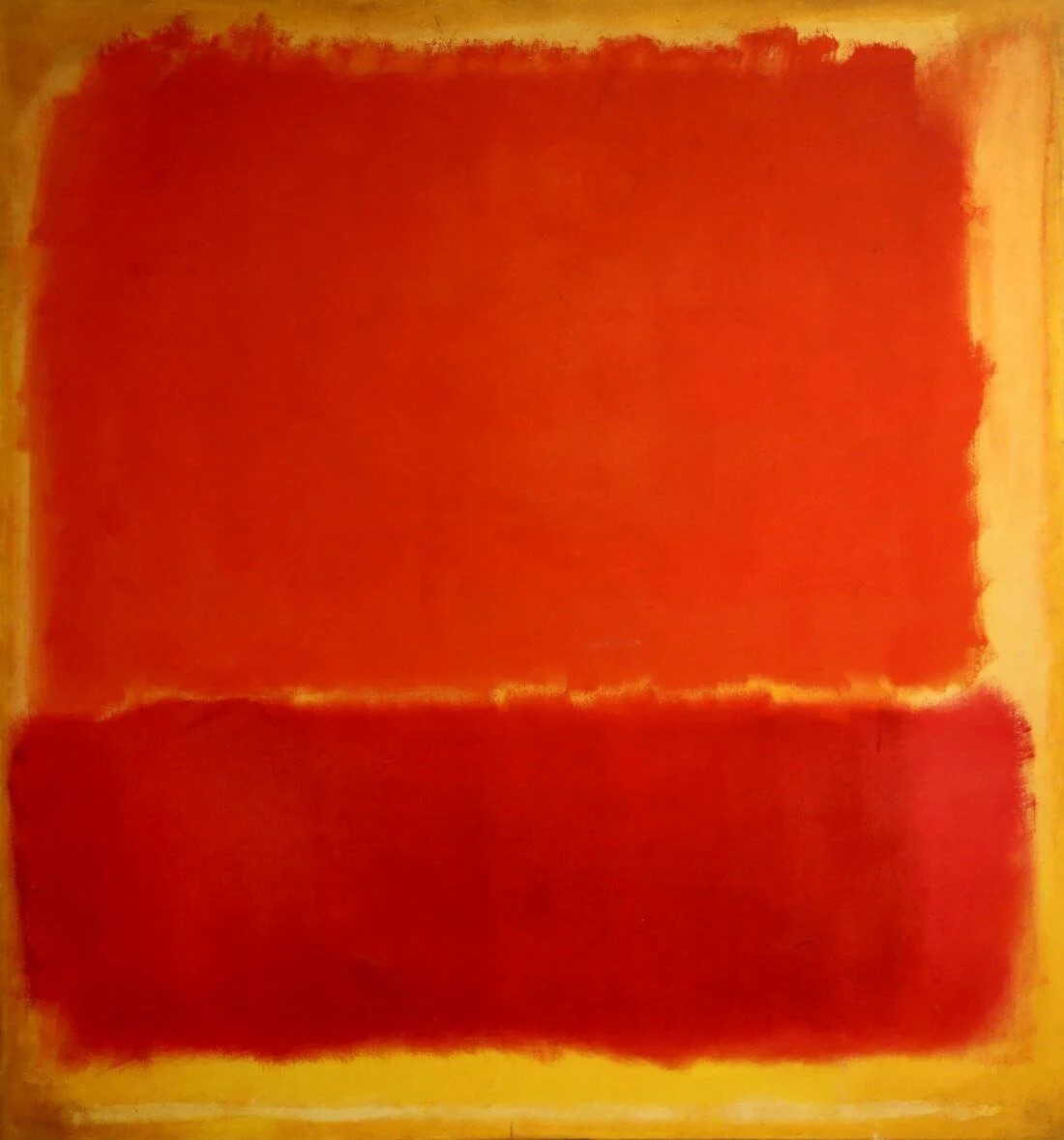
Across painting, drawing, and sculpture, the participating artists explore emotional experience through distinct visual languages. Edvard Munch's "The Scream" conveys a powerful sense of anguish, while Mark Rothko's "No. 12"'s abstract color fields encourage extensive contemplation of the connection between color, space, and emotion. Frida Kahlo's "Henry Ford Hospital" addresses personal loss through an unwavering visual account of physical and emotional suffering. Pablo Picasso's "The Old Guitarist" presents a solitary figure whose posture and surroundings evoke vulnerability and isolation. Together, these works establish a conversation around the ways emotional experiences can become visible through artistic form.
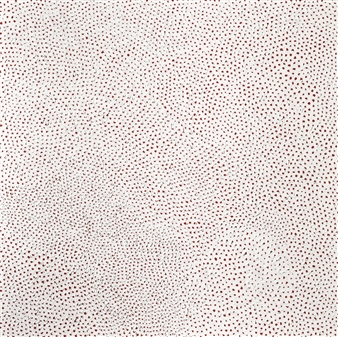
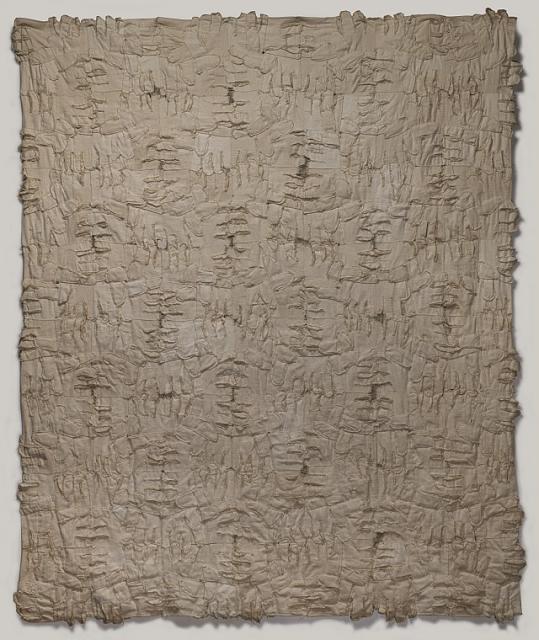
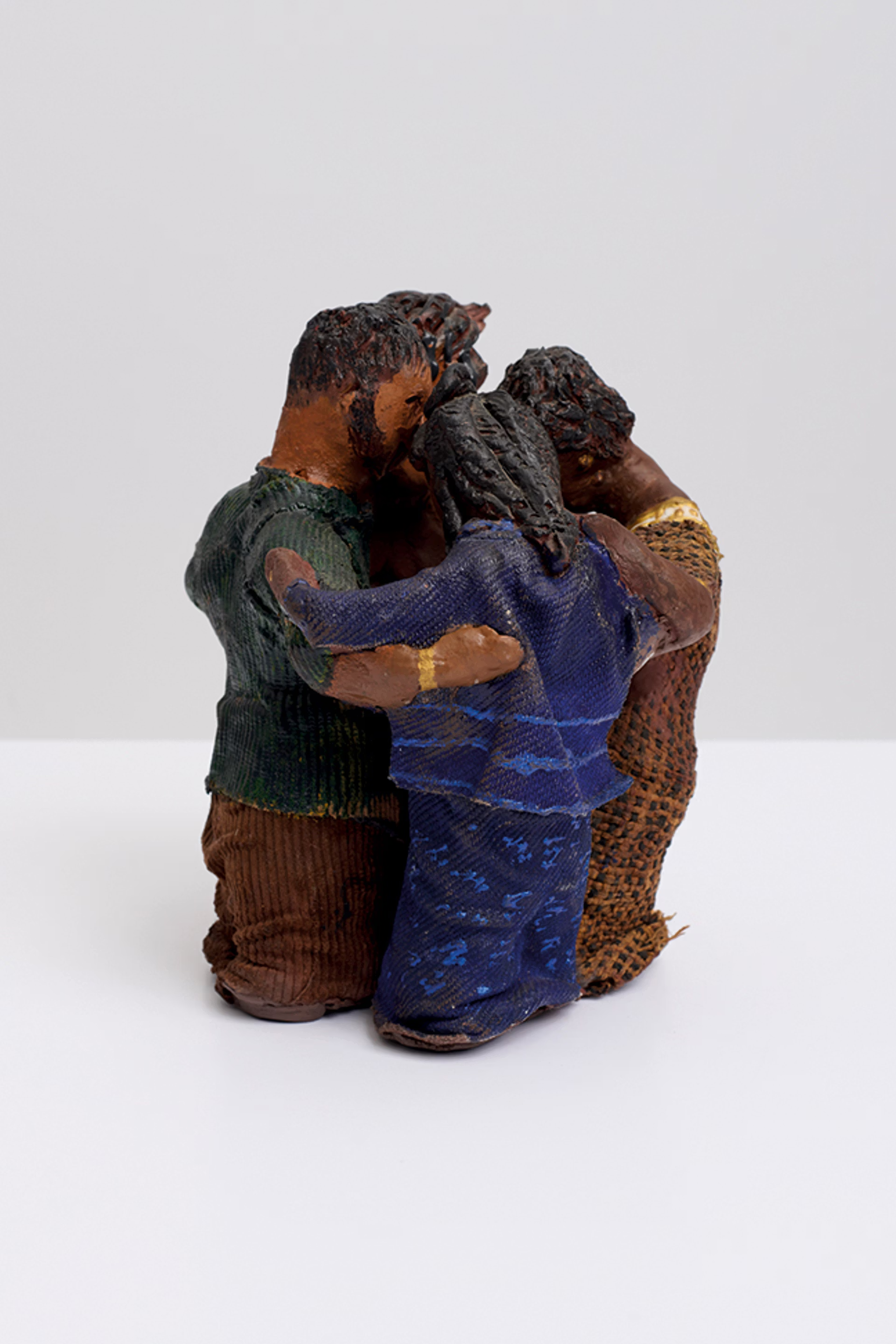
Other works extend this conversation through questions of identity, perception, and recovery. Yayoi Kusama's "No. C.A.9" offers another approach to the internal world through repetition and pattern. Paul Villinski's "Comforter", created from cotton work gloves, reflects on recovery, comfort, and the importance of human connection. Reverend Joyce McDonald's "The Family That Pray" brings figures together in an embrace, emphasizing the role of faith, care, and community during difficult times.
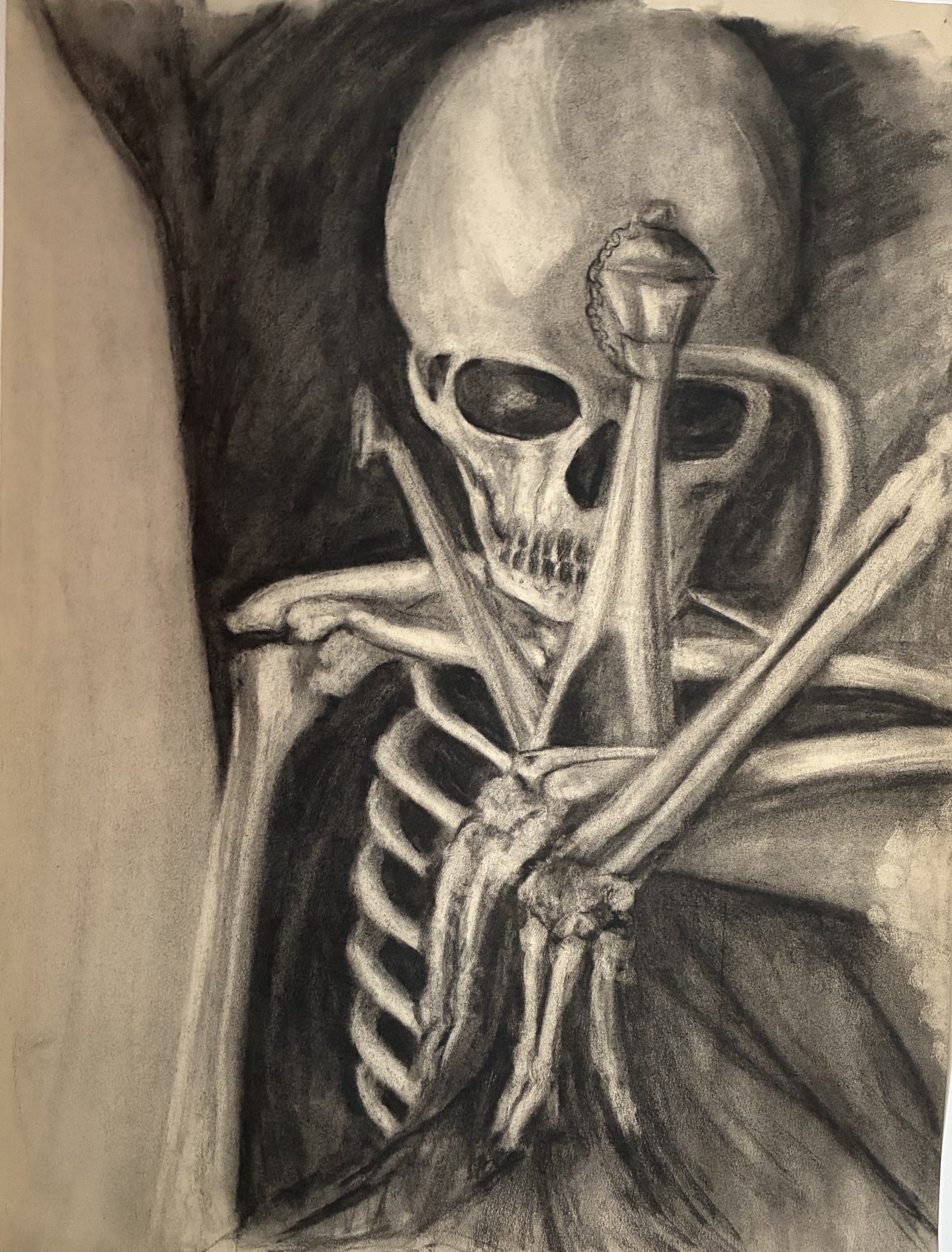
The exhibition also includes Kira Hikaru Hill's "Full Circle", a charcoal work that considers the human skeleton as a shared structure beneath outward differences. By focusing on the body's fundamental form, the work reflects on mortality, vulnerability, and the common humanity that connects people across social and physical distinctions. Its inclusion broadens the exhibition's main question beyond personal experience by posing the topic of how acknowledging one's own vulnerability could promote empathy for others.
Rather than offering a simple narrative of suffering followed by resolution, "The Invisible Wars We Fight Within Ourselves" acknowledges that healing is often uncertain, gradual, and deeply personal. The exhibition considers art as a means of communication: a way to give shape to difficult emotions, make space for reflection, and recognize experiences that may otherwise remain unspoken. It also emphasizes that personal struggle does not define the entirety of a person's life and that connection can create possibilities for understanding and support.
Ultimately, the exhibition invites viewers to look beyond appearances and reflect on the unseen experiences carried by themselves and others. By bringing distinct artistic voices into dialogue, it proposes vulnerability not as a weakness (but as a shared part of being human) and suggests that recognition, compassion, and connection can offer a starting point for moving forward.